
What’s the Difference Between Paint Protection Film and Vinyl Wrap?
The main difference between paint protection film (PPF) and vinyl wrap is their primary purpose. PPF is designed mainly to protect vehicle paint from rock chips, scratches, stains, and road debris, while vinyl wrap is primarily used to change a vehicle’s color, finish, or graphics. Both cover the vehicle’s paint, but they use different materials and provide different levels of protection and customization.
At Vinyl Solutions, we help vehicle owners choose exterior solutions based on what they actually want to accomplish. Some drivers want to preserve their factory paint against everyday road hazards, while others want a completely different color or a custom look without permanently repainting their vehicle. Business owners may also want graphics that turn company vehicles into mobile advertising. Understanding the differences between paint protection film and vinyl wrap can help you decide where to invest and avoid choosing a product that does not match your goals. In some cases, PPF and vinyl wrap can even work together to provide a combination of protection and personalization.
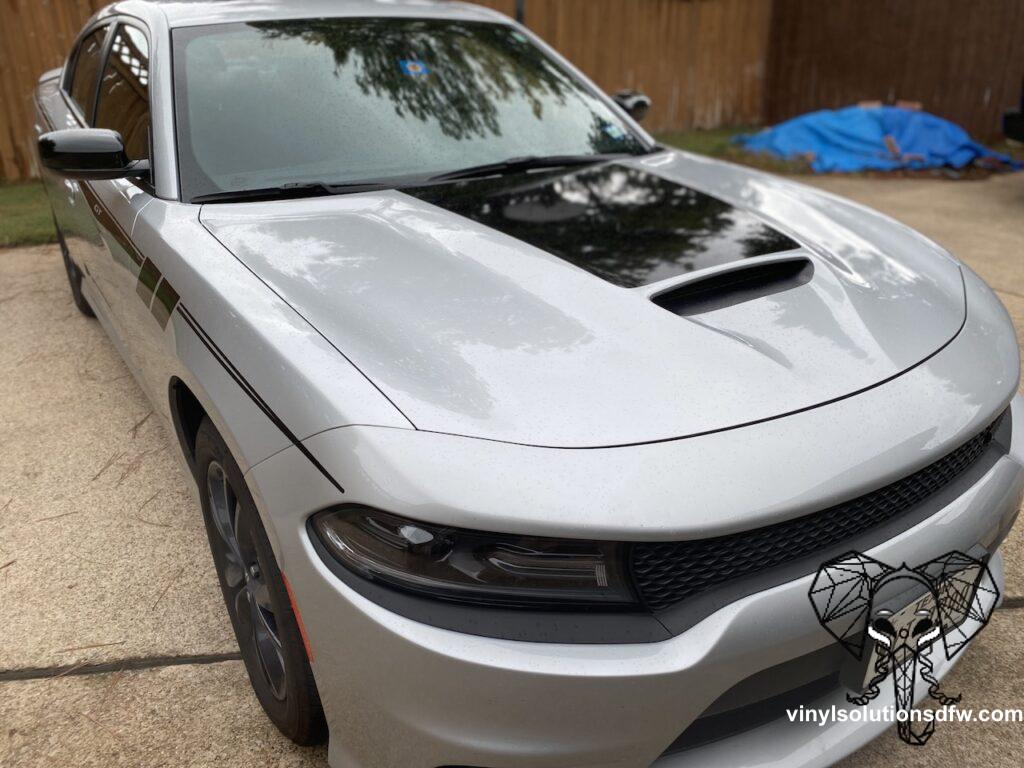
PPF vs Vinyl Wrap for Vehicle Protection and Customization
Paint protection film is generally the better choice when protection is your top priority, while vinyl wrap offers greater freedom for changing your vehicle’s appearance. The right option depends on how you drive, where the vehicle is used, your preferred look, and which surfaces you want to protect.
1. What Is Paint Protection Film?
Paint protection film is a transparent or specialty automotive film engineered to protect painted surfaces from physical and environmental damage. It is commonly applied to high-impact areas such as the hood, front bumper, fenders, mirrors, and other surfaces exposed to road debris.
PPF is typically made from a thicker urethane material than conventional vinyl wrap. This helps it absorb minor impacts and provide greater resistance to chips and scratches.
For example, 3M says its Scotchgard Paint Protection Film Pro Series is designed to help protect vulnerable painted surfaces from stone chips, scratches, stains, and environmental elements.
PPF is particularly useful for:
- High-impact areas at the front of a vehicle
- Vehicles driven frequently on highways
- New or high-value vehicles
- Owners focused on preserving factory paint
- Work vehicles exposed to challenging environments
Some modern paint protection films also feature self-healing technology that allows certain minor surface scratches to become less visible when exposed to heat.
2. What Is a Vinyl Vehicle Wrap?
A vinyl wrap is primarily a customization product that lets you change a vehicle’s color, finish, or graphics without permanently repainting it. Automotive wrap films are available in numerous colors, textures, patterns, and finishes.
You can use vinyl wrap to transform an entire vehicle or customize individual areas such as:
- Roofs
- Hoods
- Mirrors
- Doors
- Accent panels
- Trim
Businesses can also use printed vinyl wraps to display logos, contact information, services, and other branding.
Vinyl does provide a physical layer over the original paint, so it can help reduce direct exposure to some minor scratches, UV exposure, dirt, and contaminants. However, standard vinyl wrap is not designed to provide the same level of impact protection as PPF.
3. Does PPF Protect Paint Better Than Vinyl Wrap?
Yes. If protecting paint from rock chips, minor abrasions, and road debris is the primary goal, paint protection film is generally the better choice because it is specifically engineered for that purpose.
PPF is typically thicker and more impact resistant than conventional vehicle wrap vinyl. This makes it particularly valuable on forward-facing surfaces that encounter debris at highway speeds.
Vinyl wrap provides some separation between the environment and your factory paint, but protection is a secondary benefit rather than its main function.
A simple way to compare the two is:
- Choose PPF primarily for protection.
- Choose vinyl wrap primarily for customization and graphics.
- Consider combining them if you want both benefits.
Neither product makes a vehicle damage-proof. Severe impacts, deep scratches, collisions, and other significant damage can penetrate the film and affect the vehicle underneath.
4. Which Gives You More Customization Options?
Vinyl wrap offers considerably more freedom when the goal is changing how a vehicle looks. It can create a dramatically different appearance without making the permanent commitment associated with a full repaint.
Automotive wrap films are available in finishes such as gloss, satin, matte, metallic, and textured options. Printed vinyl can also accommodate custom graphics and complex commercial designs.
According to 3M, its Wrap Film Series 2080 is available in nearly 100 colors, patterns, and textures, illustrating how extensive modern wrap customization options have become.
PPF has traditionally been transparent because its primary purpose is protecting the existing finish. However, the distinction is becoming less absolute. Modern paint protection films are increasingly available with matte, colored, and specialty finishes, allowing drivers to combine stronger protection with visual customization.
5. Can You Use Paint Protection Film and Vinyl Wrap Together?
Yes. PPF and vinyl wrap can be combined when a vehicle owner wants both customization and enhanced protection.
For example, a driver might use vinyl wrap to achieve a specific color or design and add protection to particularly vulnerable surfaces. The exact installation order and product compatibility depend on the materials being used, so the combination should be planned with an experienced installer.
This approach can be useful when you want:
- A customized vehicle appearance
- Added protection in high-impact areas
- Business branding combined with exterior protection
- Different levels of coverage on different vehicle surfaces
Rather than treating PPF and vinyl as competing products, think of them as tools designed to solve different problems.
How Do You Decide Between PPF and a Vinyl Wrap?
Start by identifying your number-one priority. If preserving the factory finish against road hazards matters most, PPF is likely the stronger choice. If changing the vehicle’s appearance or adding commercial graphics is the main objective, vinyl wrap will usually provide greater flexibility.
Consider these questions before deciding:
- Do I want to protect the existing paint or change its appearance?
- How much highway driving does the vehicle get?
- Is the vehicle regularly exposed to gravel, road debris, or job site hazards?
- Do I want a custom color or finish?
- Will the vehicle display business graphics or advertising?
- Do I need full-body coverage or only protection for vulnerable areas?
Your answer does not necessarily have to be one product or the other. Strategic use of both materials can address different needs across the same vehicle.
Paint Protection Film vs Vinyl Wrap FAQ
Is PPF thicker than vinyl wrap?
Generally, yes. Paint protection film is typically thicker than standard automotive vinyl wrap because it is engineered to resist impacts, abrasions, and other physical hazards.
Does vinyl wrap protect your original paint?
Vinyl wrap covers the original painted surface and can provide some protection from minor scratches, contaminants, and environmental exposure. It should not be considered a substitute for PPF when impact protection is the main objective.
Can PPF change the color of my vehicle?
Traditionally, most PPF has been clear or matte, but colored paint protection films are now available. Vinyl wrap still provides a broader range of established options for custom colors, graphics, patterns, and commercial branding.
Which is better, PPF or vinyl wrap?
Neither is universally better. PPF is better suited to drivers prioritizing paint protection, while vinyl wrap is better suited to extensive visual customization and graphics. Some vehicle owners benefit most from combining the two.
Find the Right Protection or Wrap for Your Vehicle
Choosing between paint protection film and vinyl wrap becomes much easier once you know your primary goal. PPF focuses on protecting vulnerable painted surfaces, while vinyl wrap gives you extensive freedom to customize the vehicle’s appearance. When appropriate, the two can complement each other.
Vinyl Solutions can help you evaluate your vehicle, driving habits, desired appearance, and protection needs to determine the right approach.
Ready to protect, customize, or transform your vehicle? Contact Vinyl Solutions today to explore the right film or wrap solution for your goals.